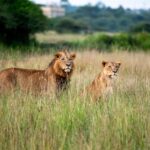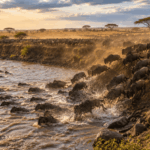

For many travellers, going on an African safari is a lifelong dream. Seeing elephants crossing the plains, watching lions in their natural habitat and waking up surrounded by the sounds of nature can create memories that last forever.
If Kenya is your chosen destination, a little planning can make your first safari even more enjoyable.
Choose Your Safari Destinations
Kenya has numerous parks and reserves, and each offers something different.
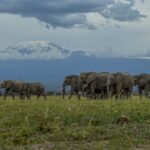
The Maasai Mara is famous for its abundant wildlife and Great Migration. Amboseli is renowned for elephants and views of Mount Kilimanjaro. Lake Nakuru offers diverse wildlife and scenic landscapes, while Tsavo provides vast wilderness and a sense of adventure.
You don’t need to visit every park. Choosing two or three destinations can create a more comfortable itinerary.
Decide How Many Days You Have
Your available time should influence your itinerary.
A three-day safari can provide an excellent introduction to Kenya’s wildlife, while five to seven days allow you to combine several destinations.
Longer holidays can combine safari with destinations such as Nairobi, the Kenyan coast or other attractions.
Select Your Accommodation
Kenya offers accommodation for different travel styles and budgets. Options include safari camps, lodges, tented camps, hotels and luxury properties.
When choosing accommodation, consider its location, meals, facilities and proximity to wildlife areas.
Choose the Right Vehicle
A comfortable safari vehicle can make a significant difference to your experience. Four-wheel-drive safari vehicles are commonly used because they are suitable for navigating different terrain.
An experienced driver-guide can also add tremendous value by helping you understand animal behaviour, ecosystems and local landscapes.
Pack for the Experience
Safari clothing should be comfortable and suitable for changing temperatures. Mornings can be cool, while afternoons may become warm.
Useful items can include:
- Comfortable walking shoes
- Lightweight clothing
- A warm layer for early mornings
- Hat and sunglasses
- Sunscreen
- Camera or smartphone
- Binoculars
- Reusable water bottle
Your tour operator can also advise you on what is appropriate for your particular itinerary.
Respect Wildlife
A safari is an opportunity to observe animals in their natural environment. Visitors should follow their guide’s instructions, maintain appropriate distances and avoid disturbing wildlife.
Responsible tourism helps protect Kenya’s natural heritage for future generations.
Add Culture and Local Experiences
A safari doesn’t have to be only about wildlife. Depending on your itinerary, you can add cultural visits, nature walks, local food experiences or community-based tourism activities.
These experiences can make your trip more meaningful while providing opportunities to learn about the people and communities connected to Kenya’s tourism industry.
Make Your First Safari Memorable
Your first Kenya safari should be about more than ticking animals off a checklist. Take time to appreciate the landscapes, sounds, people and unexpected moments along the way.
Whether you spend three days in the Maasai Mara or combine several destinations over two weeks, Kenya offers countless opportunities for discovery.
Start planning your safari, choose an itinerary that matches your interests and prepare to experience one of Africa’s most remarkable travel destinations.